Case Study: Custom Two-Tone Flip Sequins for a Maternity Wear Brand in Peru
Source:Two-Tone Flip Sequins /
Time:2026-09-18
Two-Tone Flip Sequins for a Maternity Wear Brand in Peru
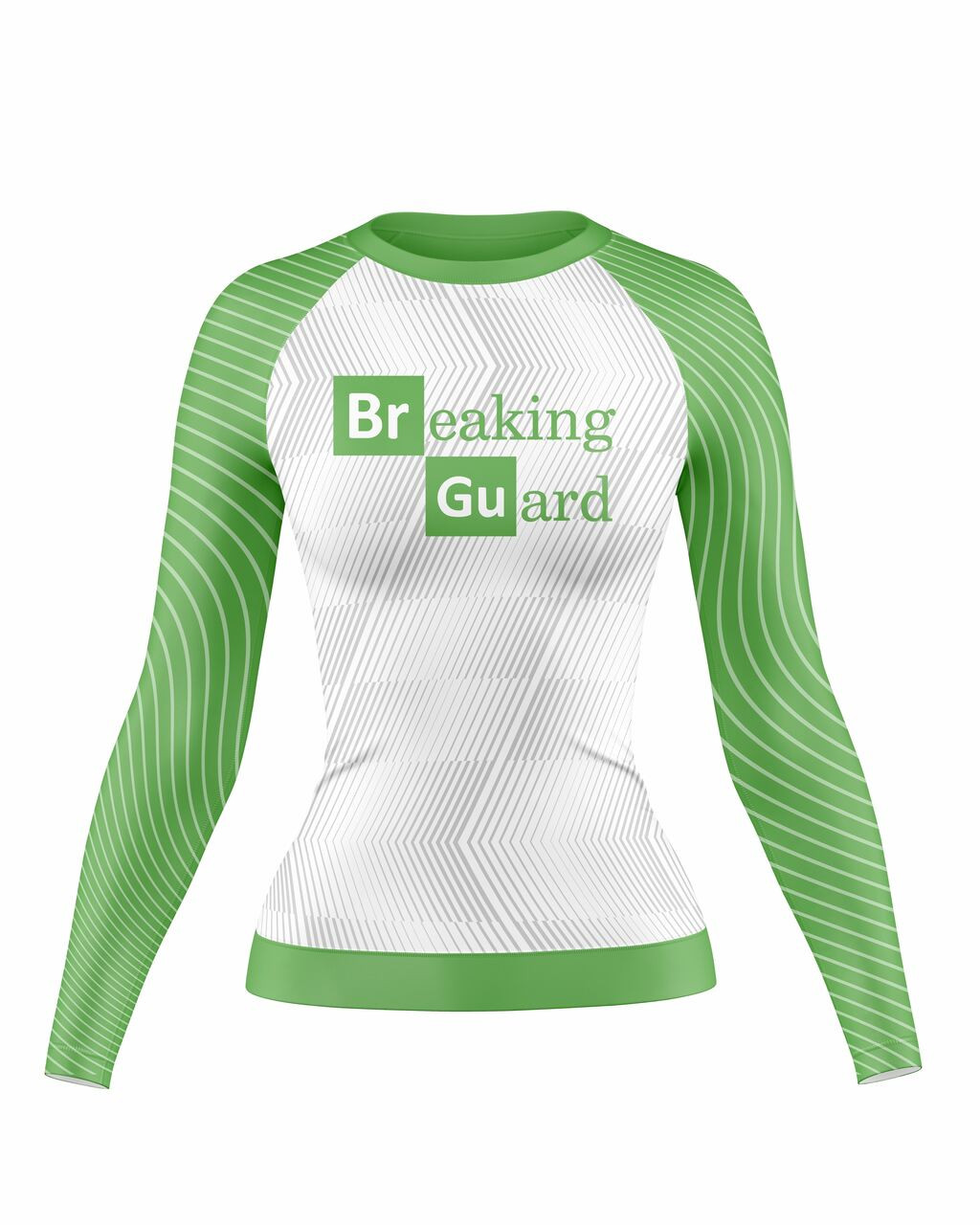
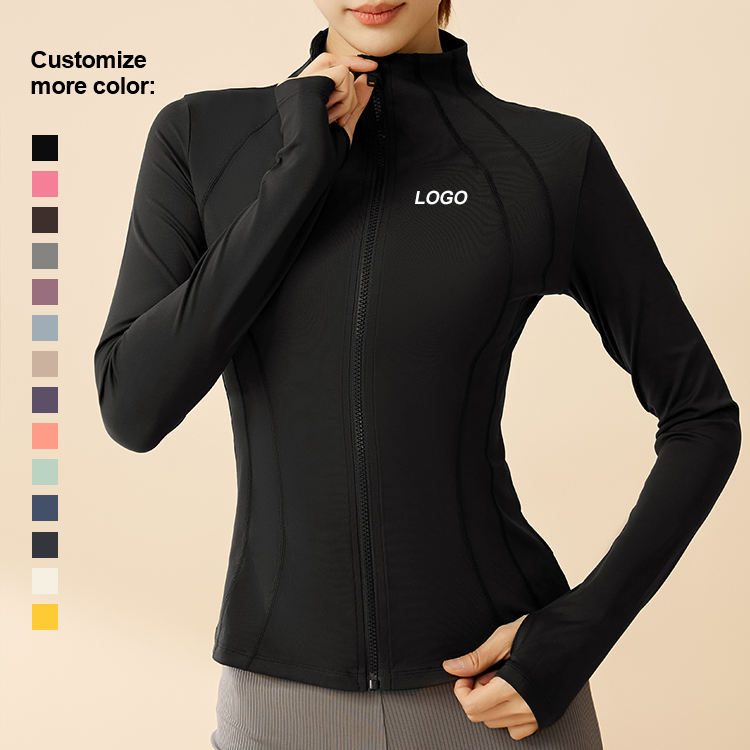
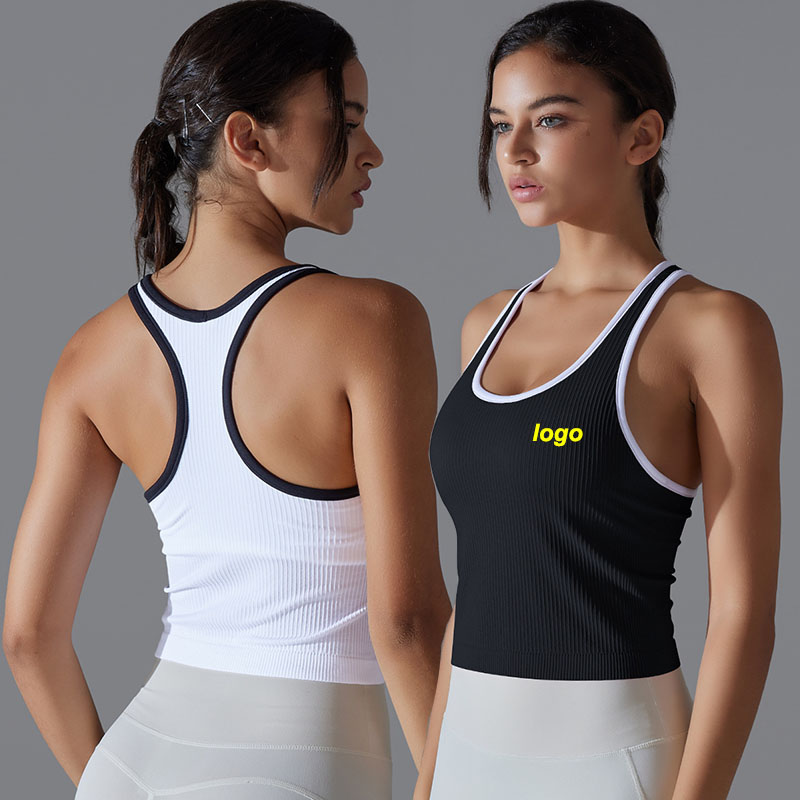
A Maternity Wear Brand approached us with a two-tone flip sequins requirement for Peru. The brief was specific: a defined look, a hard launch date and a unit cost that had to survive shipping and duty. This case study records what was specified, what went wrong in sampling and how the bulk order was delivered.
The challenge
- Color drift between lab dips and bulk fabric
- Minimum order quantities far above what a growing brand can absorb
- No reliable way to track a order once it enters production
What we specified
| Product | Two-Tone Flip Sequins |
|---|---|
| Client type | A Maternity Wear Brand |
| Market | Peru |
| Order volume | 500 pieces across 4 colourways |
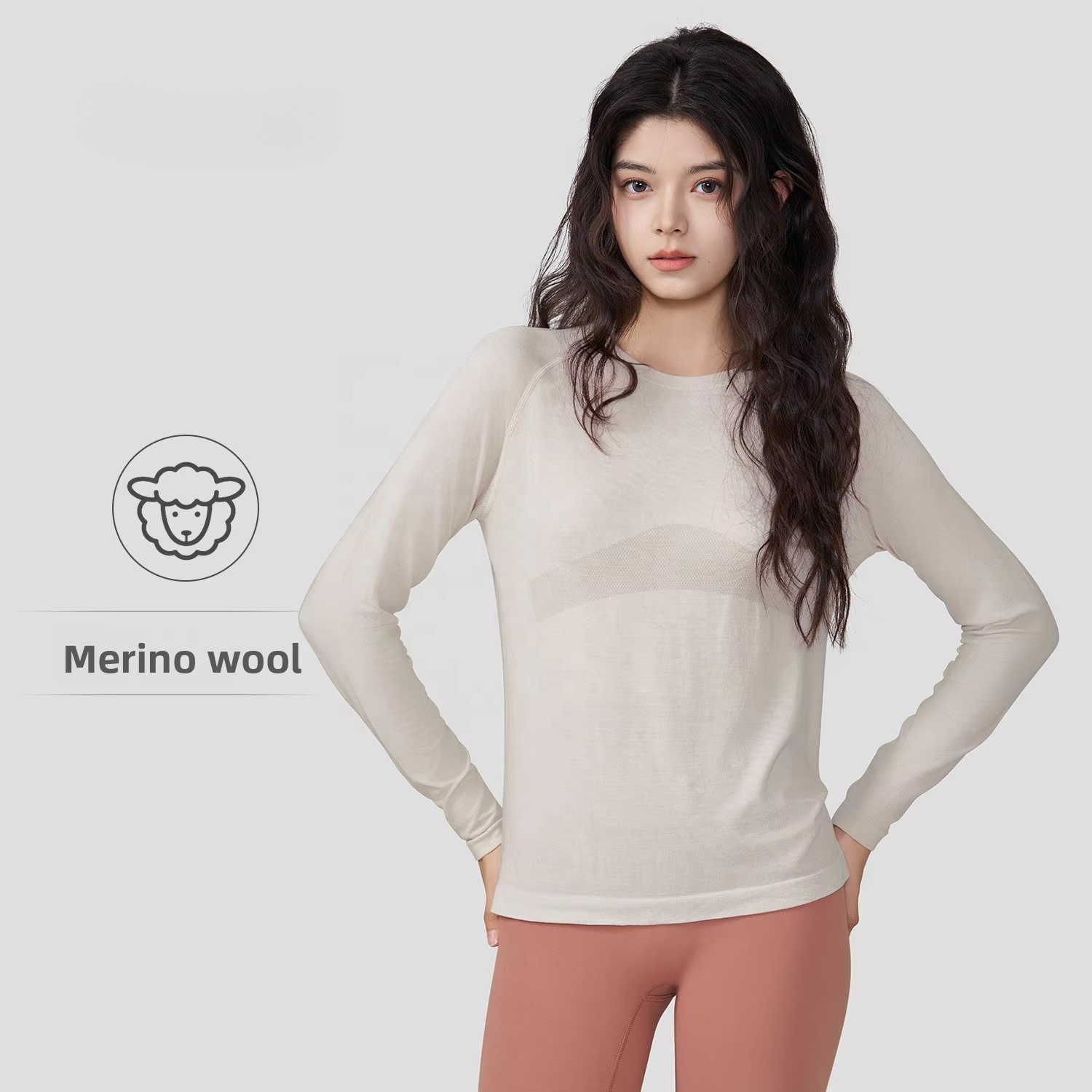
| Base fabric | Lambswool |
| Decoration | Foil Printing |
| Size range | XS-3XL |
| Sampling rounds | 4 |
| Delivery window | 12 weeks from PO to ex-factory |
How it was resolved
- We rebuilt the tech pack around Lambswool and locked shrinkage allowance before grading.
- Decoration was moved to Foil Printing after strike-off tests showed better wash durability.
- A pre-production sample was approved and retained as the golden reference.
- Production ran with in-line inspection and a mid-run photo report.
- Cartons were packed to the client's own barcode and size ratio specification.
Result
- 500 pieces delivered inside the 12-week window.
- Unit cost held within 3.0% of the original quotation.
- Return rate linked to fit or workmanship stayed under 2.0%.
- The specification is now on file, so reorders reproduce the approved sample.
What we would repeat
Lock the colour standard before grading. Once a shade moves, every downstream approval has to be redone and the calendar slips.
Planning something similar?
Send us your tech pack or even a rough sketch — we will come back with fabric options, a costed sample plan and a realistic production calendar.