Case Study: Custom Two-Tone Flip Sequins for an Airline Catering Team in the Netherlands
Source:Two-Tone Flip Sequins /
Time:2026-09-18
Two-Tone Flip Sequins for an Airline Catering Team in the Netherlands
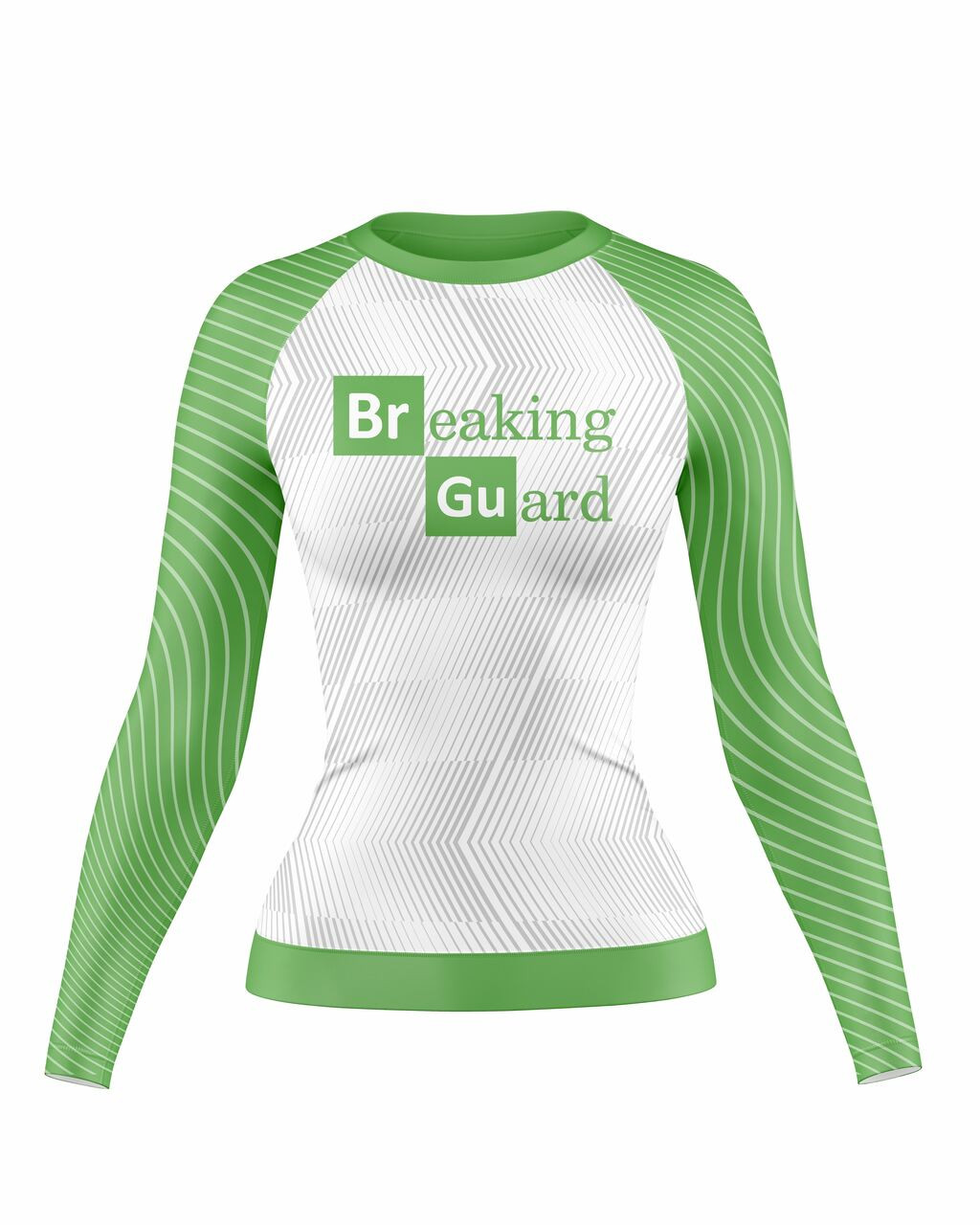
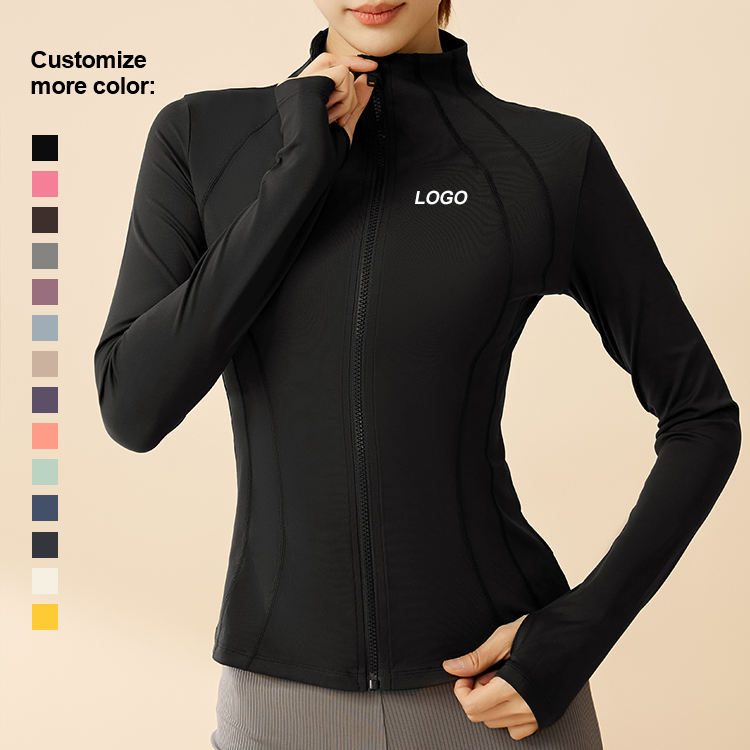
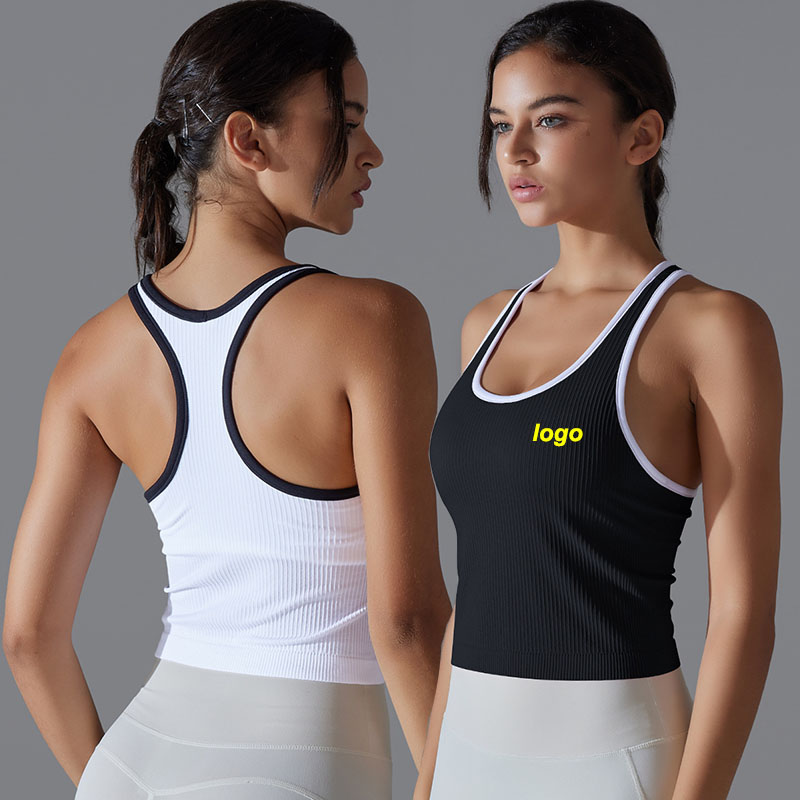
An Airline Catering Team approached us with a two-tone flip sequins requirement for the Netherlands. The brief was specific: a defined look, a hard launch date and a unit cost that had to survive shipping and duty. This case study records what was specified, what went wrong in sampling and how the bulk order was delivered.
The challenge
- Long lead times that miss the selling season
- No reliable way to track a order once it enters production
- Inconsistent sizing between production runs
What we specified
| Product | Two-Tone Flip Sequins |
|---|---|
| Client type | An Airline Catering Team |
| Market | the Netherlands |
| Order volume | 3,000 pieces across 4 colourways |
| Base fabric | Faux Shearling |
| Decoration | Satin Printed Label |
| Size range | 2-12Y |
| Sampling rounds | 3 |
| Delivery window | 6 weeks from PO to ex-factory |
How it was resolved
- We rebuilt the tech pack around Faux Shearling and locked shrinkage allowance before grading.
- Decoration was moved to Satin Printed Label after strike-off tests showed better wash durability.
- A pre-production sample was approved and retained as the golden reference.
- Production ran with in-line inspection and a mid-run photo report.
- Cartons were packed to the client's own barcode and size ratio specification.
Result
- 3,000 pieces delivered inside the 6-week window.
- Unit cost held within 2.0% of the original quotation.
- Return rate linked to fit or workmanship stayed under 1.0%.
- The specification is now on file, so reorders reproduce the approved sample.
What we would repeat
Fix the size ratio early. Changing the ratio after cutting starts is the single most expensive change a client can request.
Planning something similar?
Send us your tech pack or even a rough sketch — we will come back with fabric options, a costed sample plan and a realistic production calendar.