Cycling Glasses Customization Program for Golf Clubs with Shirring
Cycling Glasses Solution for Golf Clubs
This programme covers the full path from a cycling glasses concept to a repeatable bulk supply for golf clubs. Instead of buying whatever a catalogue happens to stock, you specify the cloth, the fit block, the decoration method and the packing, and we hold that specification so every reorder matches the last one.
The most common failure we see in golf clubs sourcing is not price — it is drift. Fabric changes supplier, the shade moves, sizing shifts half a grade and the programme quietly stops looking like the brand. We prevent that with a written spec, an approved counter sample and a golden sample retained at the factory.
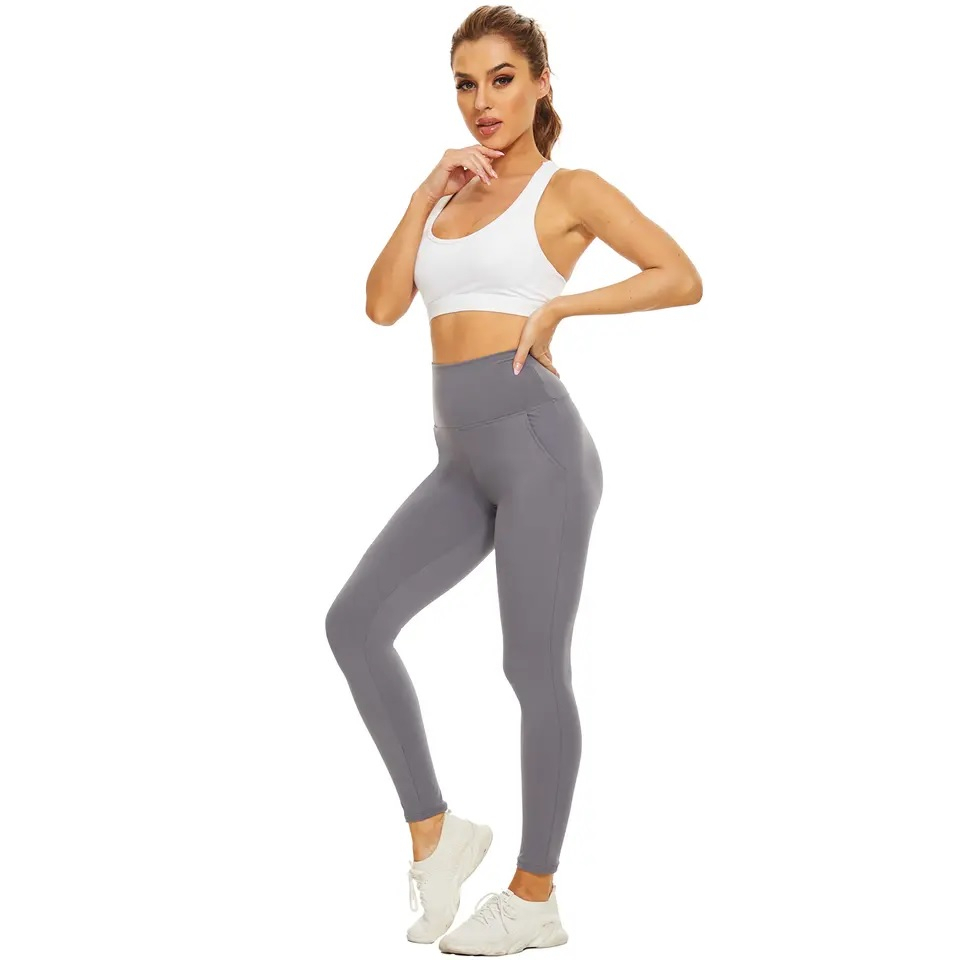
Recommended fabrics
- Softshell — used when durability and abrasion resistance come first
- Mohair — best balance of comfort, cost and wash stability
- Waffle Knit — best balance of comfort, cost and wash stability
- Anti-Static Fabric — chosen when the garment needs to hold shape after repeated laundering
Decoration and finishing
The default method for this programme is Shirring, but we routinely combine processes on one garment. Placement, colour count and position drives cost more than the garment itself, so we quote decoration separately and show you the trade-off before sampling.
- Rhinestone Application
- Tie-Dye Wash
- Chain Stitch Embroidery
- Flat Embroidery
- Sequin Work
- Pleating
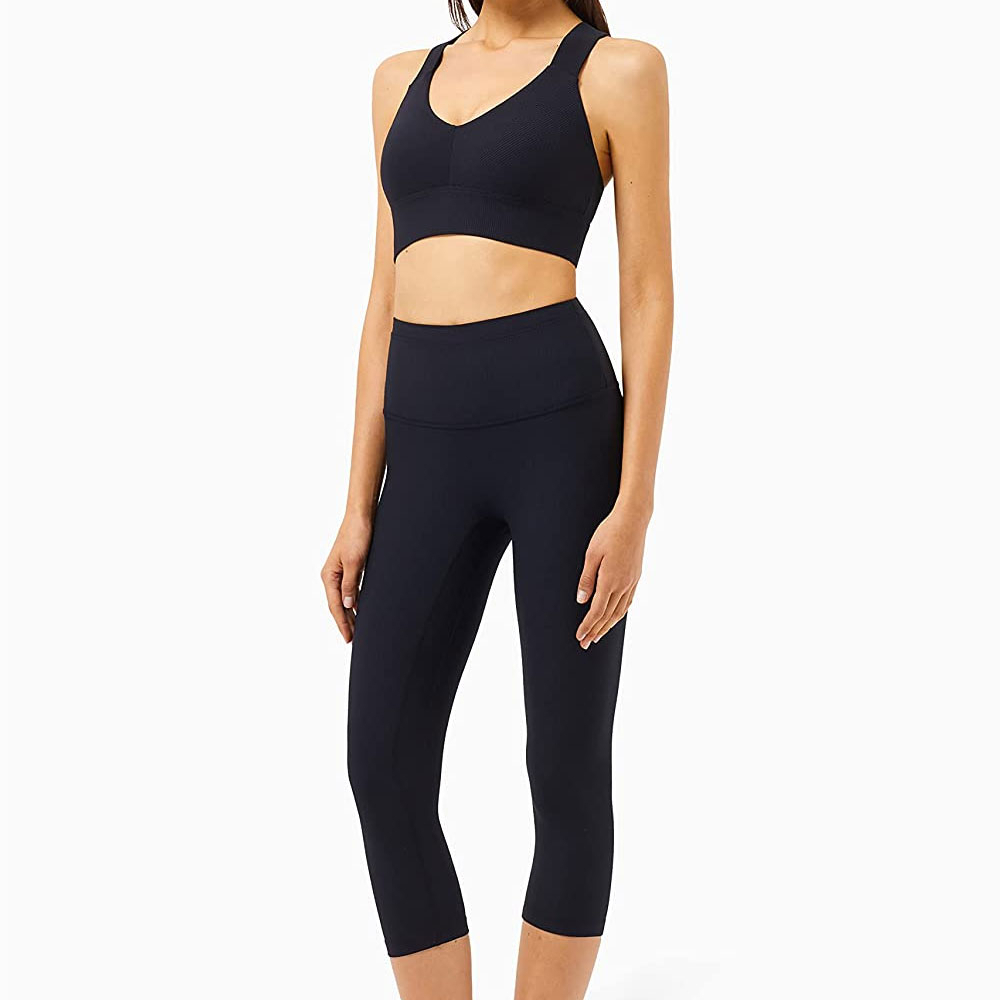
Programme parameters
| Garment | Cycling Glasses |
|---|---|
| Target sector | Golf Clubs |
| Primary process | Shirring |
| Fabric options | Softshell, Mohair, Waffle Knit |
| MOQ | 500 pieces per style |
| Sampling | 14 working days, 5 days per revision |
| Bulk lead time | 30-50 days |
| Size set | Kids 2-12Y |
| Compliance | ISO 9001 |
| Delivery terms | EXW / FOB / CIF / DDP |
Why buyers choose this route
- A dedicated merchandiser who answers within one working day
- Colour management that keeps bulk within tolerance of the approved lab dip
- Flexible MOQ programmes that scale with your forecast
- In-line and final inspection with photo reports before payment
- Transparent costing with every trim and process itemized
How the programme runs
- Discovery call: quantity, target price, delivery window and compliance needs
- Fabric and trim proposal with costed alternatives
- Tech pack build or reverse engineering from your sample
- Prototype, fit revision and pre-production sample
- Bulk production with in-line inspection and photo reporting
- Packing, documentation and shipment under the agreed Incoterm
FAQ
How is shipping handled?
We quote EXW, FOB, CIF and DDP. Consolidated sea freight is the default for bulk programmes, with air or express options when a launch date is at risk.
What file formats do you need for artwork?
Vector files (AI, EPS, PDF) give the best print and embroidery results. For raster artwork please supply at least 300 dpi at the final print size. We digitise embroidery files in-house and return a sew-out photo for approval.
Can you match a specific colour?
Yes. Send us a Pantone TCX reference or a physical swatch. We return lab dips for approval and hold bulk shade within the agreed tolerance band before cutting.
What is the minimum order quantity?
Standard programmes start at 500 pieces per style and colour. We can split sizes across a size set, and for first orders we often accept a mixed-colour run to help you test the market.
Quote and next steps
Tell us the quantity, target price and delivery window, and we will build a customisation programme around those three numbers.