Whole-Garment Knitting for Motorcycle and Motorsport: 5 Mistakes to Avoid
Whole-Garment Knitting for Motorcycle and Motorsport: 5 Mistakes to Avoid
Whole-Garment Knitting has moved from a talking point to a line item in sourcing decisions for motorcycle and motorsport. Buyers are no longer asking whether it matters — they are asking what it costs, how long it takes and what happens when it is done badly. This note sets out the practical version.
Why it matters now
Three forces are pushing whole-garment knitting up the agenda for motorcycle and motorsport: tighter delivery windows, closer scrutiny from compliance teams, and the simple fact that a failed bulk order now costs more in lost selling season than the saving from a cheaper supplier. The teams handling this best treat it as a specification problem, not a negotiation problem.
What it changes in practice
- Cost structure — expect the change to land in testing and certification rather than in the garment price.
- Lead time — 3 extra working days is typical on the first run, less once the spec is stable.
- Documentation — test reports will normally be requested before the balance payment.
- Supplier selection — fewer, better-managed partners rather than spot quoting.
- Risk — the exposure shifts from unit price to calendar and compliance.
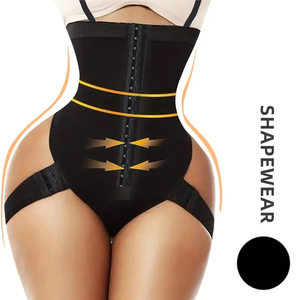
Checklist for motorcycle and motorsport buyers
- Budget the sampling rounds; the cheapest quote usually assumes you skip them.
- Agree the tolerance in writing before the first bulk metre is cut.
- Keep a golden sample at the factory and a second one with you.
- Re-check the requirement at every reorder; standards move.
- Plan the freight mode at quotation stage, not at ex-factory.
Numbers worth tracking
| Metric | Practical target |
|---|---|
| Sampling rounds before approval | 2 or fewer |
| Bulk shade tolerance | within agreed lab-dip band |
| Inspection standard | AQL 4.0 |
| On-time ex-factory rate | 92% or better |
| Defect-related return rate | under 1.0% |
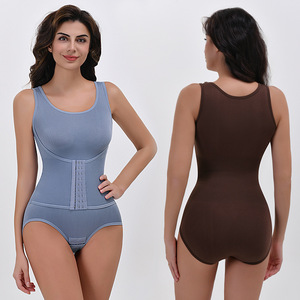
Bottom line
The cost of getting whole-garment knitting right is small next to the cost of one failed bulk order. Build it into the first quotation.
Tell us the quantity, target price and delivery window, and we will build a customisation programme around those three numbers.