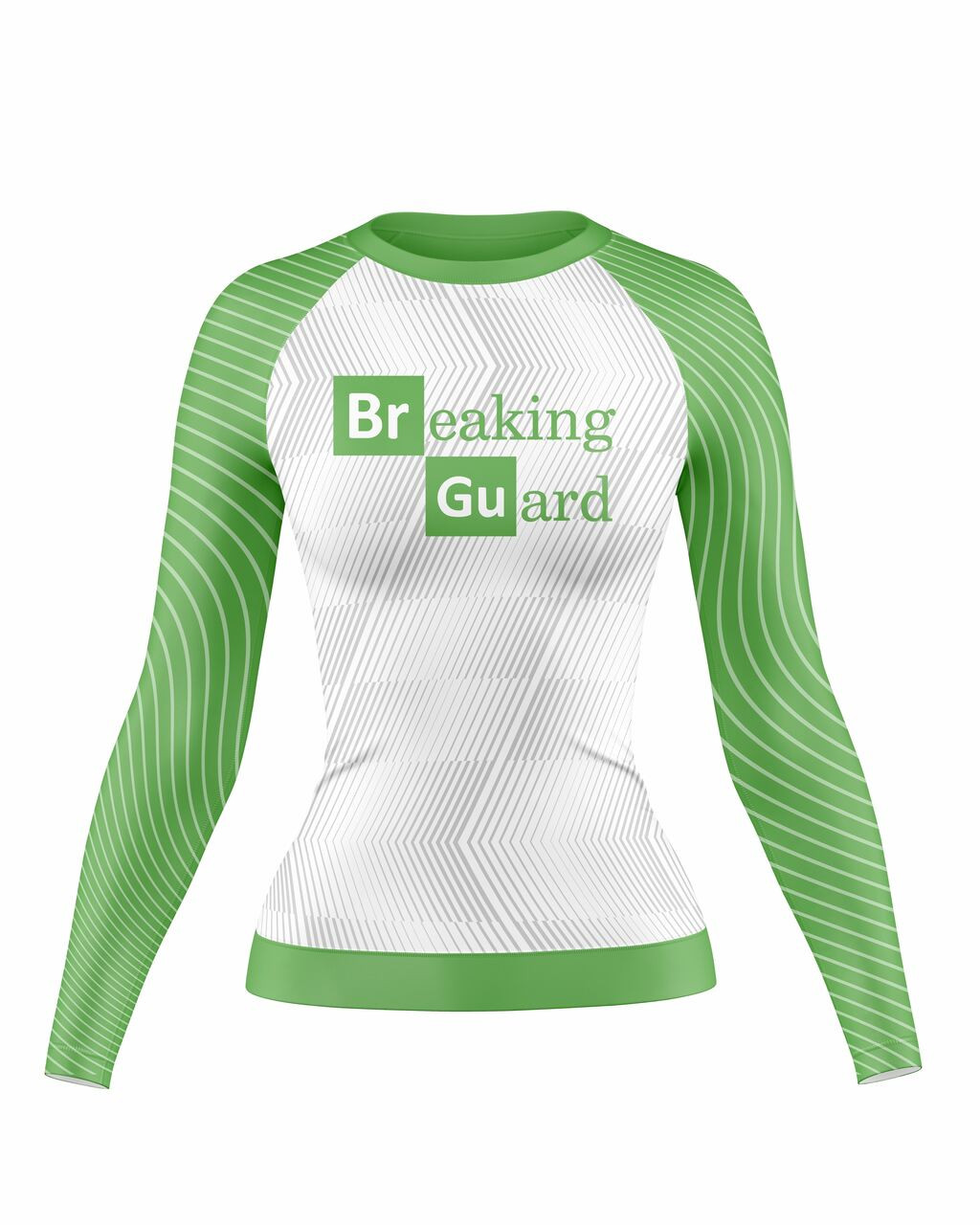
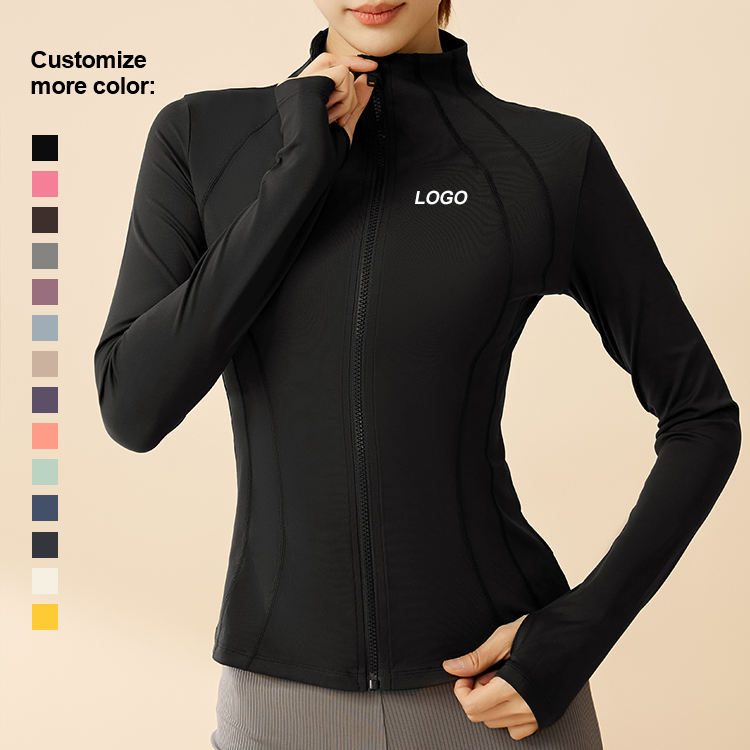
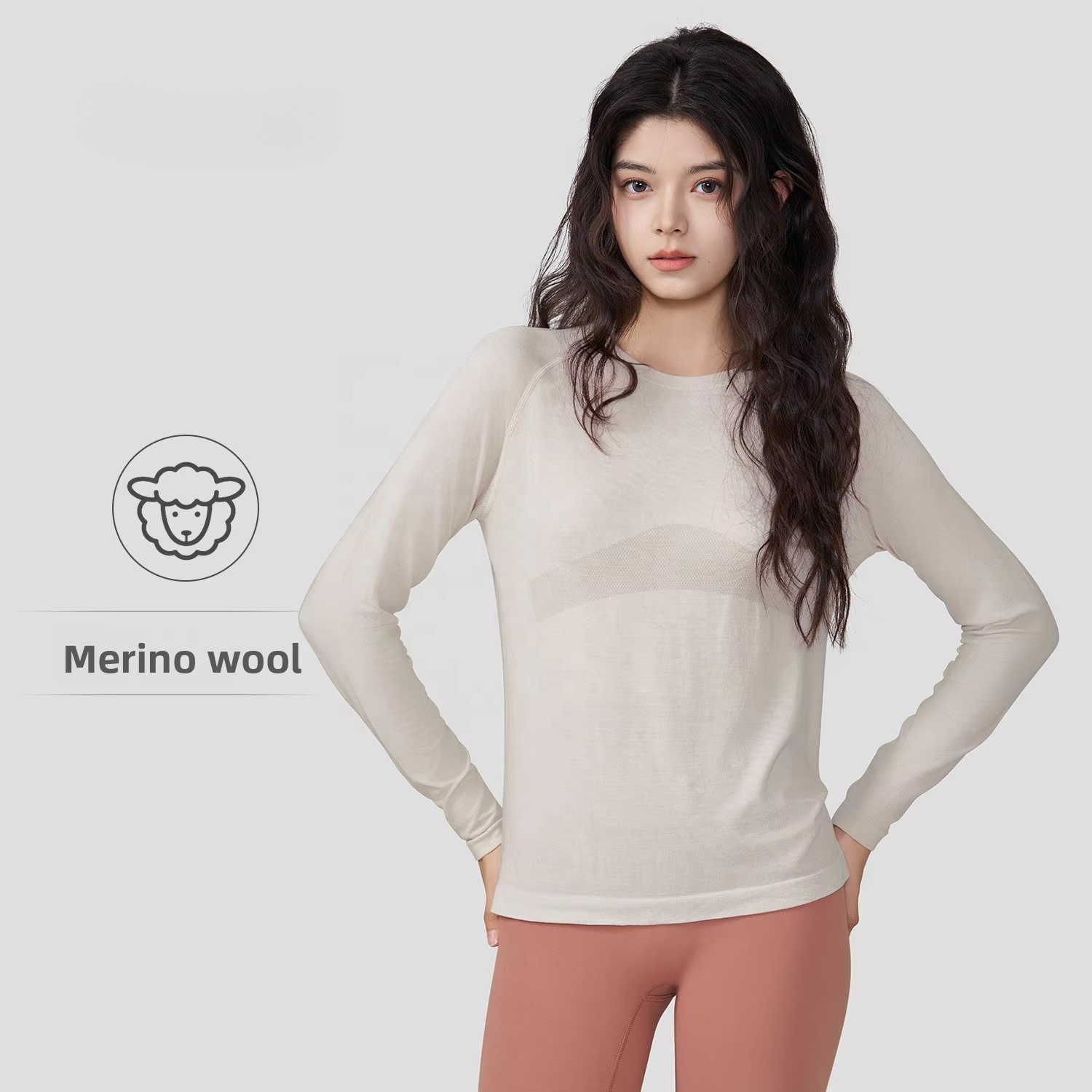
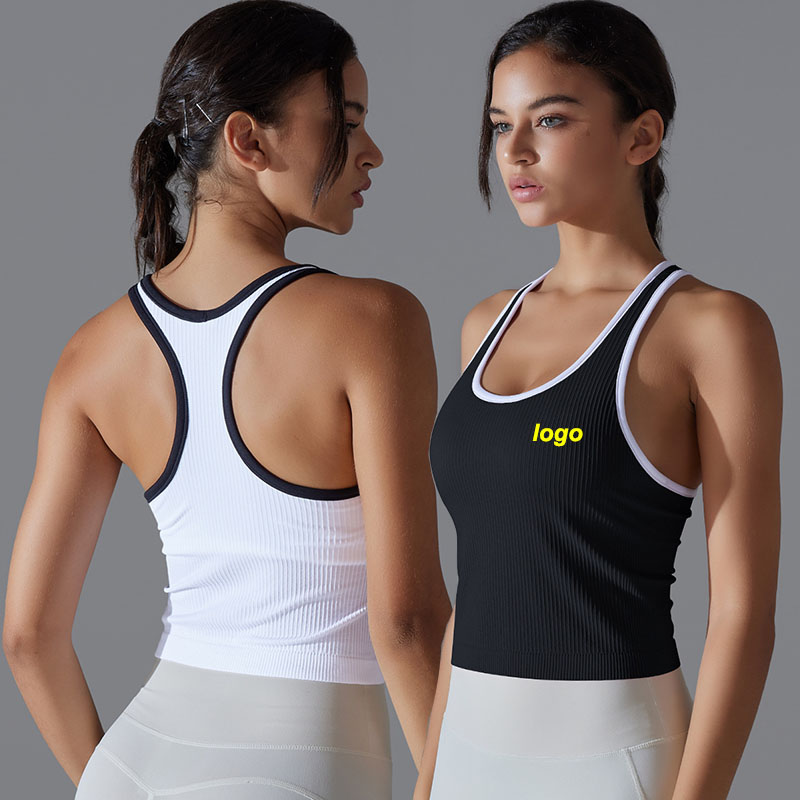
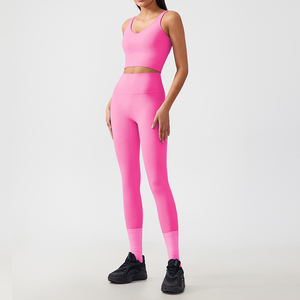
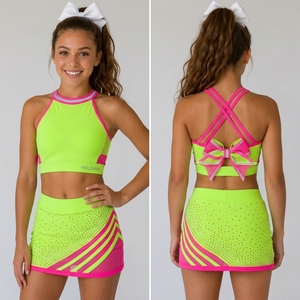
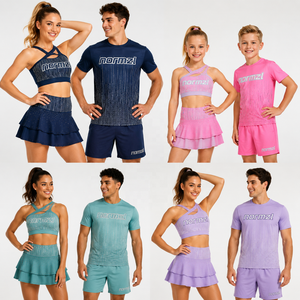
Custom Stab-resistant Clothing — Recycled Cotton with Reflective Printing
We build stab-resistant clothing programmes from a tech pack or a physical reference sample. This Recycled Cotton version is developed for brands that need a repeatable specification: the same cloth, the same hand feel and the same fit on every reorder. Fabric, trims, reflective printing and packaging are all specifiable, so the garment stays consistent across seasons and across production runs.
Most buyers come to us after one of these problems: long lead times that miss the selling season, or packaging that arrives crushed and unsellable. Our response is to fix the specification first — fabric weight, shrinkage allowance, stitch density and tolerance — before a single bulk metre is cut.
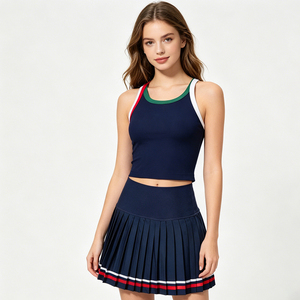
Specification
| Product | Stab-resistant Clothing |
|---|---|
| Base fabric | Recycled Cotton |
| Decoration / finish | Reflective Printing |
| Fabric weight | 340-400 gsm |
| Size range | S-4XL |
| Colour options | 12 Pantone-matched shades |
| MOQ | 150 pieces per style per colour |
| Sampling | 10 working days, 5 days per revision |
| Bulk lead time | 30-45 days after approval |
| Compliance | GOTS |
What you can customise
- Placement Printing — available on Recycled Cotton, quoted per position and per colour.
- Custom Drawcord — available on Recycled Cotton, quoted per position and per colour.
- Chenille Embroidery — available on Recycled Cotton, quoted per position and per colour.
- Embossing — available on Recycled Cotton, quoted per position and per colour.
- Debossing — available on Recycled Cotton, quoted per position and per colour.
- Pantone Color Matching — available on Recycled Cotton, quoted per position and per colour.
- Beading and Embroidery — available on Recycled Cotton, quoted per position and per colour.
How we produce it
- Tech pack review and fabric confirmation
- Lab dips or print strike-off for approval
- Pattern making, grading and a Recycled Cotton-spec prototype
- Fit sample and wearer test, then a pre-production sample
- Bulk cutting with reflective printing applied under controlled settings
- In-line inspection, final AQL 2.5 inspection and packing
Typical applications
- Manufacturing Plants — stab-resistant clothing uniforms, staff wear or resale programmes
- Mining Operations — stab-resistant clothing uniforms, staff wear or resale programmes
- Schools and School Districts — stab-resistant clothing uniforms, staff wear or resale programmes
- Hospitality and Hotels — stab-resistant clothing uniforms, staff wear or resale programmes
- Cycling and Triathlon — stab-resistant clothing uniforms, staff wear or resale programmes

Quality control
Every bulk order is checked against the approved sample for shade, hand feel, measurements and workmanship. We record shrinkage, colour fastness and seam strength on the first bulk lot and hold the data as the reference for reorders, so stab-resistant clothing batches stay comparable over time. Inspection photos and the measurement report are sent before the balance payment is due.
FAQ
Do you provide compliance documents?
We can arrange OEKO-TEX, GOTS, BSCI, WRAP and ISO documentation as well as third-party testing reports for GOTS, and we support REACH, CPSIA and Prop 65 declarations for the relevant markets.
What file formats do you need for artwork?
Vector files (AI, EPS, PDF) give the best print and embroidery results. For raster artwork please supply at least 300 dpi at the final print size. We digitise embroidery files in-house and return a sew-out photo for approval.
How long does sampling take?
A first prototype is typically ready in 10 working days after the tech pack is confirmed, including fabric sourcing if the base cloth is not in our stock library. Revisions add about 5 days each.
Can you match a specific colour?
Yes. Send us a Pantone TCX reference or a physical swatch. We return lab dips for approval and hold bulk shade within the agreed tolerance band before cutting.
Start your stab-resistant clothing programme
Send us your tech pack or even a rough sketch — we will come back with fabric options, a costed sample plan and a realistic production calendar.