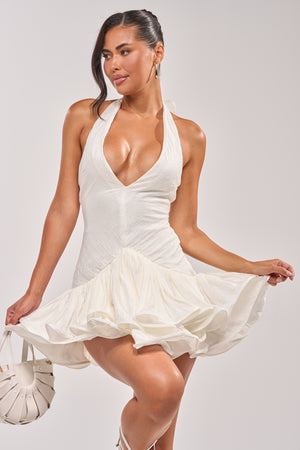
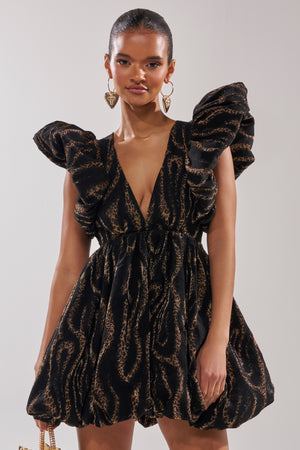
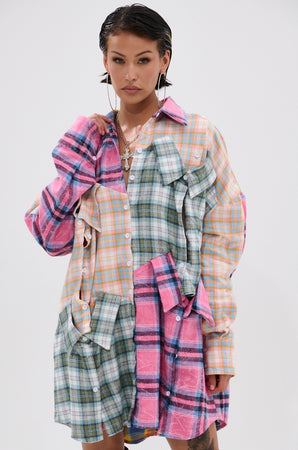
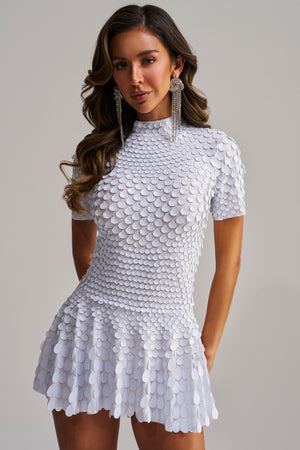
Custom Ethnic & Folk Apparel for the African Market — Cupro with DTF Film Printing
We supply ethnic & folk apparel to African buyers built for hot humid coastal conditions. Cloth weight, weave openness and colour fastness are chosen for heat and humidity first, then for price: Cupro at 110-140 gsm, shade-matched to hold up under strong sun and repeated hand washing. Programmes start at 200 pieces per style per colour and ship to Djibouti or Alexandria.
The two things that break an African programme are the same every time: color drift between lab dips and bulk fabric, and long lead times that miss the selling season. We fix the specification before bulk — weight, shrinkage, stitch density and measurement tolerance — and we prepare the import paperwork that Egyptian requires, so goods clear instead of sitting at the port.
Specification
| Product | Ethnic & Folk Apparel |
|---|---|
| Market | North and Horn of Africa |
| Base fabric | Cupro (110-140 gsm) |
| Decoration / finish | DTF Film Printing |
| Climate notes | Built for hot humid coastal conditions |
| Size range | Custom grading for African fit blocks |
| Colour options | 12 Pantone-matched shades |
| MOQ | 200 pieces per style per colour |
| Sampling | 10 working days, 5 days per revision |
| Bulk lead time | 30-60 days after approval |
| Import compliance | Egyptian GOEIC registration |
| Ship to | Djibouti or Alexandria |
What African buyers can customise
- Screen Printing — available on Cupro, quoted per position and per colour.
- Pleating — available on Cupro, quoted per position and per colour.
- Sequin Work — available on Cupro, quoted per position and per colour.
- Flat Embroidery — available on Cupro, quoted per position and per colour.
- Heat Transfer Printing — available on Cupro, quoted per position and per colour.
- Piece Dyeing — available on Cupro, quoted per position and per colour.
- Contrast Stitching — available on Cupro, quoted per position and per colour.
How we produce it
- Tech pack review and fabric confirmation for hot humid coastal conditions
- Lab dips or print strike-off approval, including wax and Ankara colourways
- Cupro-spec prototype graded to Custom grading for African fit blocks
- Fit sample and wearer test, then a pre-production sample
- Bulk cutting with dtf film printing applied under controlled settings
- In-line inspection, final AQL 2.5 inspection and packing for LCL or FCL shipment
Where it sells
- Church and ceremonial wear — colour-fast fabrics that survive frequent washing
- Retail and market trade — packed to size ratio, ready for wholesale distribution
- Corporate and hospitality uniforms — repeatable specification for reorders
- School and institutional programmes — durable cloth at a fixed landed cost
- Wedding and celebration dressing — coordinated colourways across a family order
Import, duty and delivery
Egyptian GOEIC registration is arranged before the goods leave the factory. We ship LCL or FCL to Djibouti or Alexandria, provide the commercial invoice, packing list and certificate of conformity, and quote landed cost so duty and clearance are visible before you commit. Most buyers in North and Horn of Africa plan reorders around the selling season, so we hold the approved specification on file.
FAQ
Do you provide compliance documents?
We can arrange OEKO-TEX, GOTS, BSCI, WRAP and ISO documentation as well as third-party testing reports for Egyptian GOEIC registration, and we support REACH, CPSIA and Prop 65 declarations for the relevant markets.
How long does sampling take?
A first prototype is typically ready in 10 working days after the tech pack is confirmed, including fabric sourcing if the base cloth is not in our stock library. Revisions add about 5 days each.
What is the minimum order quantity?
Standard programmes start at 200 pieces per style and colour. We can split sizes across a size set, and for first orders we often accept a mixed-colour run to help you test the market.
Can you match a specific colour?
Yes. Send us a Pantone TCX reference or a physical swatch. We return lab dips for approval and hold bulk shade within the agreed tolerance band before cutting.
Start your African programme
Send us your tech pack or even a rough sketch — we will come back with fabric options, a costed sample plan and a realistic production calendar.