Custom Ethnic & Folk Apparel for the Islamic Market — Crepe Nida with Custom Button
We supply ethnic & folk apparel to Islamic-market buyers built for Gulf summers above 45 °C with dry heat. Modest dressing is a specification problem before it is a style problem: coverage, opacity and drape are fixed first, then Crepe Nida at 160-200 gsm is selected so the garment breathes in heat while staying opaque in strong light. Programmes start at 500 pieces per style per colour and ship to Tanjung Priok or Surabaya.
The failures here are predictable: no reliable way to track a order once it enters production, and minimum order quantities far above what a growing brand can absorb. We lock the specification before bulk — opacity, weight, shrinkage, stitch density and tolerance — and prepare SNI so shipments clear instead of sitting at port while the Ramadan selling peak passes.
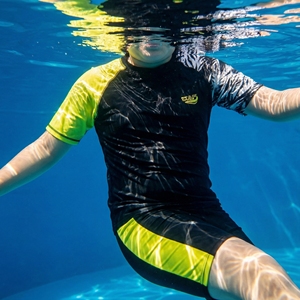
Specification
| Product | Ethnic & Folk Apparel |
|---|---|
| Market | Indonesia |
| Base fabric | Crepe Nida (160-200 gsm) |
| Decoration / finish | Custom Button |
| Coverage | Full modest coverage, opacity tested in strong light |
| Climate notes | Built for Gulf summers above 45 °C with dry heat |
| Size range | Muslim modest sizing S-4XL |
| Colour options | 12 Pantone-matched shades, black and neutrals held in stock |
| MOQ | 500 pieces per style per colour |
| Sampling | 12 working days, 3 days per revision |
| Bulk lead time | 30-60 days after approval |
| Compliance | SNI documentation with BPOM-free textile declaration; SASO textile technical regulation |
| Ship to | Tanjung Priok or Surabaya |
What Islamic-market buyers can customise
- Shirring — available on Crepe Nida, quoted per position and per colour.
- Custom Button — available on Crepe Nida, quoted per position and per colour.
- Hangtag and Packaging — available on Crepe Nida, quoted per position and per colour.
- DTG Digital Printing — available on Crepe Nida, quoted per position and per colour.
- Rhinestone Application — available on Crepe Nida, quoted per position and per colour.
- Pantone Color Matching — available on Crepe Nida, quoted per position and per colour.
- Smocking — available on Crepe Nida, quoted per position and per colour.
How we produce it
- Tech pack review, coverage confirmation and fabric selection for Gulf summers above 45 °C with dry heat
- Lab dips or print strike-off, including black and neutral core shades
- Crepe Nida-spec prototype cut to Muslim modest sizing S-4XL
- Fit sample with opacity and drape check, then a pre-production sample
- Bulk cutting with custom button applied under controlled settings
- In-line inspection, final AQL 2.5 inspection and packing for Gulf shipment
Where it sells
- Ramadan and Eid dressing — family colourways produced as coordinated sets
- Umrah and Hajj travel — lightweight, packable cloth for long journeys
- Gulf modest wear retail — abaya, thobe and head-cover programmes
- Indonesian and Malaysian boutiques — printed and embroidered collections
- Islamic school and institutional uniforms — durable spec at a fixed landed cost
Import, duty and delivery
SNI documentation with BPOM-free textile declaration is arranged before the goods leave the factory. We ship to Tanjung Priok or Surabaya with the commercial invoice, packing list and certificate of origin, and quote landed cost so duty and VAT are visible before you commit. Reorders draw on the approved specification held on file — which matters when you are buying against the Ramadan selling peak.
FAQ
Do you provide compliance documents?
We can arrange OEKO-TEX, GOTS, BSCI, WRAP and ISO documentation as well as third-party testing reports for SASO textile technical regulation, and we support REACH, CPSIA and Prop 65 declarations for the relevant markets.
How long does sampling take?
A first prototype is typically ready in 12 working days after the tech pack is confirmed, including fabric sourcing if the base cloth is not in our stock library. Revisions add about 3 days each.
What is the minimum order quantity?
Standard programmes start at 500 pieces per style and colour. We can split sizes across a size set, and for first orders we often accept a mixed-colour run to help you test the market.
What file formats do you need for artwork?
Vector files (AI, EPS, PDF) give the best print and embroidery results. For raster artwork please supply at least 300 dpi at the final print size. We digitise embroidery files in-house and return a sew-out photo for approval.
Start your Islamic market programme
Share a reference photo or a sample garment and we will reverse-engineer the specification for your own label.