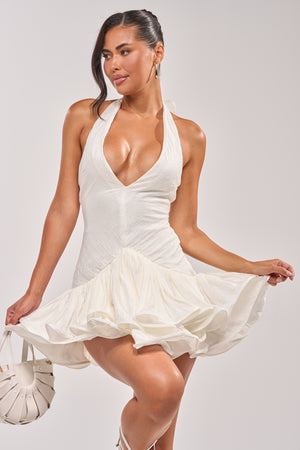
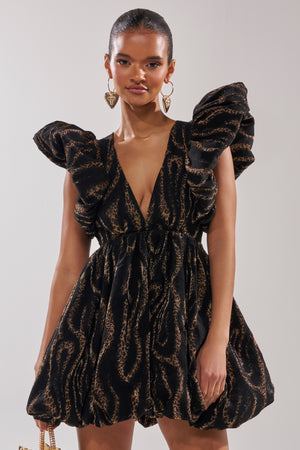
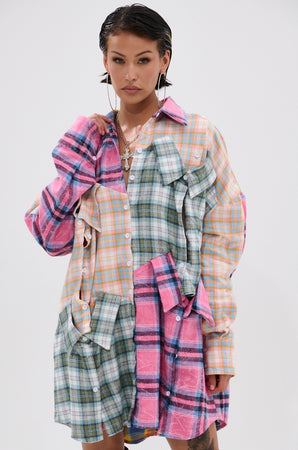
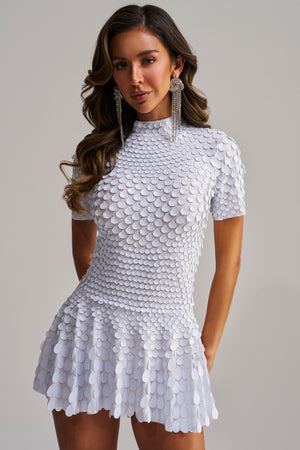
Custom Ethnic & Folk Apparel for the Japanese and Korean Market — Twill with Contrast Stitching
We supply ethnic & folk apparel to japanese and korean buyers built for humid Japanese summers. Cloth weight, weave openness and colour fastness are specified for the climate first: Twill at 160-200 gsm, shade-matched to hold through the spring and autumn new-arrival window. Programmes start at 500 pieces per style per colour and ship to Incheon.
The failures here are predictable: minimum order quantities far above what a growing brand can absorb, and inconsistent sizing between production runs. We lock the specification before bulk — weight, shrinkage, stitch density and tolerance — and prepare the conformity documents for Korea so containers clear instead of accruing demurrage while the spring and autumn new-arrival window passes.
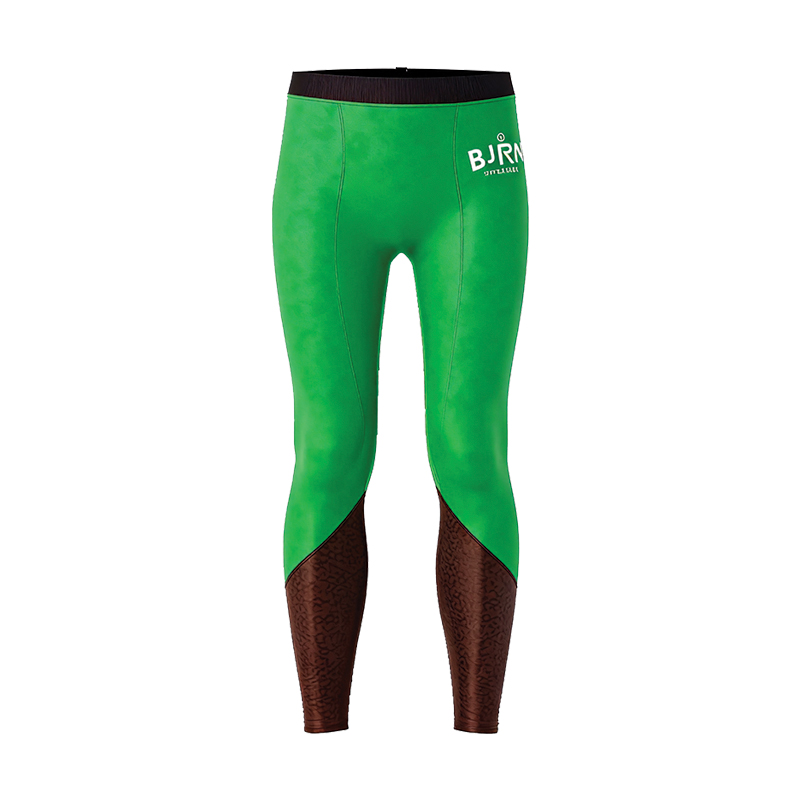
Specification
| Product | Ethnic & Folk Apparel |
|---|---|
| Market | Japan and Korea (Korea) |
| Base fabric | Twill (160-200 gsm) |
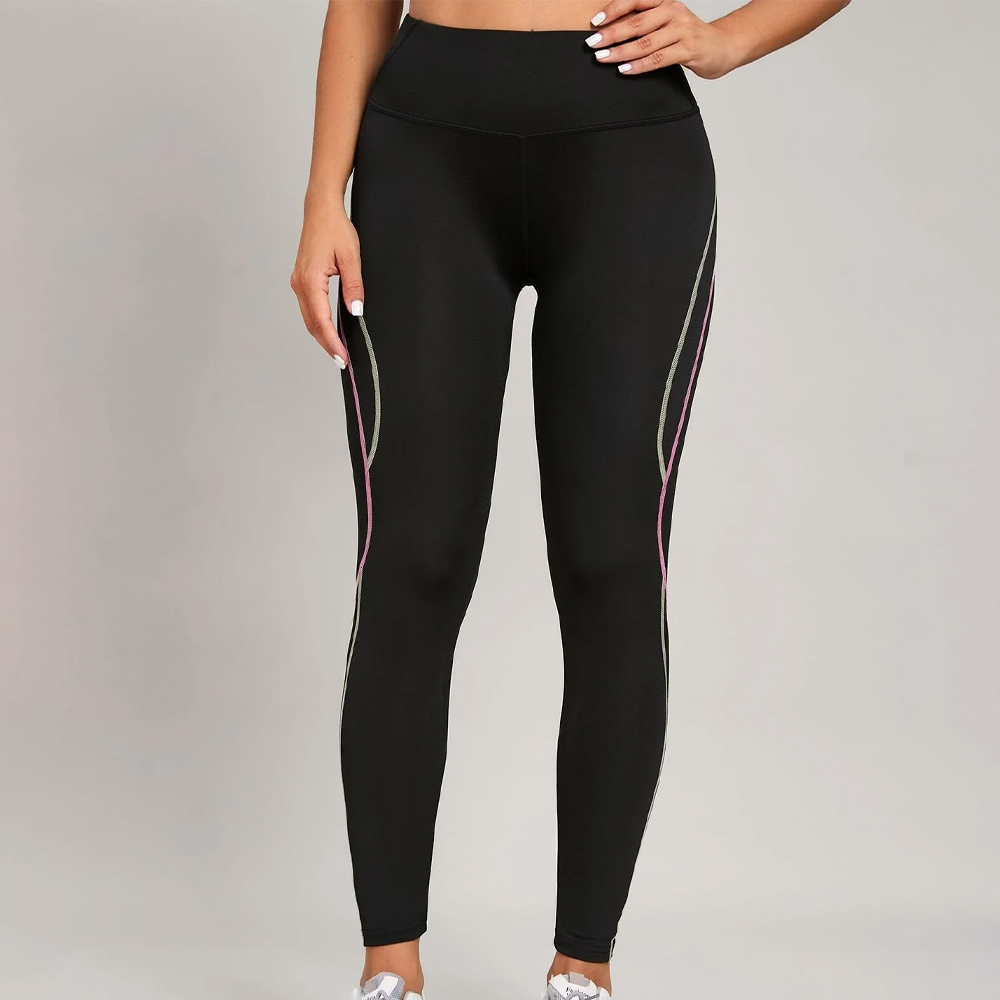
| Decoration / finish | Contrast Stitching |
| Climate notes | Built for humid Japanese summers |
| Size range | Custom grading for East Asian fit blocks |
| Colour options | 24 Pantone-matched shades |
| MOQ | 500 pieces per style per colour |
| Sampling | 10 working days, 4 days per revision |
| Bulk lead time | 20-40 days after approval |
| Compliance | Japanese Household Goods Quality Labelling compliance; JIS L test methods |
| Ship to | Incheon |
What Japanese and Korean buyers can customise
- Garment Dyeing — available on Twill, quoted per position and per colour.
- Chain Stitch Embroidery — available on Twill, quoted per position and per colour.
- Contrast Stitching — available on Twill, quoted per position and per colour.
- DTG Digital Printing — available on Twill, quoted per position and per colour.
- Screen Printing — available on Twill, quoted per position and per colour.
- Placement Printing — available on Twill, quoted per position and per colour.
- Smocking — available on Twill, quoted per position and per colour.
How we produce it
- Tech pack review and fabric confirmation for humid Japanese summers
- Lab dips or print strike-off approved against the regional palette
- Twill-spec prototype graded to Custom grading for East Asian fit blocks
- Fit sample and wash test, then a pre-production sample
- Bulk cutting with contrast stitching applied under controlled settings
- In-line inspection, final AQL 2.5 inspection and packing for Incheon
Where it sells
- Retail and wholesale — packed to size ratio for regional distribution
- Corporate and hospitality uniforms — repeatable spec for seasonal reorders
- School and institutional programmes — durable cloth at a fixed landed cost
- Online and marketplace sellers — restockable spec held on file
- Festive and seasonal collections — timed to the spring and autumn new-arrival window
Import, duty and delivery
Japanese Household Goods Quality Labelling compliance is arranged before the goods leave the factory. We ship to Incheon with the commercial invoice, packing list and certificate of origin. Buyers here inspect to a tighter standard: needle detection, dimensional stability after washing and seam appearance are checked before packing, and labelling follows the Household Goods Quality Labelling rules rather than a generic care tag.
FAQ
Do you provide compliance documents?
We can arrange OEKO-TEX, GOTS, BSCI, WRAP and ISO documentation as well as third-party testing reports for JIS L test methods, and we support REACH, CPSIA and Prop 65 declarations for the relevant markets.
What file formats do you need for artwork?
Vector files (AI, EPS, PDF) give the best print and embroidery results. For raster artwork please supply at least 300 dpi at the final print size. We digitise embroidery files in-house and return a sew-out photo for approval.
What is the minimum order quantity?
Standard programmes start at 500 pieces per style and colour. We can split sizes across a size set, and for first orders we often accept a mixed-colour run to help you test the market.
How is shipping handled?
We quote EXW, FOB, CIF and DDP. Consolidated sea freight is the default for bulk programmes, with air or express options when a launch date is at risk.
Start your Japanese and Korean programme
Tell us the quantity, target price and delivery window, and we will build a customisation programme around those three numbers.